
MECHANICS DESK · FEATURE GUIDE
What a Hold-and-Win Respin Counter Actually Does
The counter is a timer, not a promise. Here is what resets it, what ends the feature and which rules must be checked before the base-game spin.
THE MECHANISM IN BRIEF
- The counter measures remaining respins
- A qualifying new symbol usually resets the counter
- The paytable defines what locks and what ends the feature
A hold-and-win round looks busy because several things happen at once: values land, positions lock, a counter changes and the remaining cells spin again. Strip away the sound and the mechanism is a short conditional loop.
The basic loop
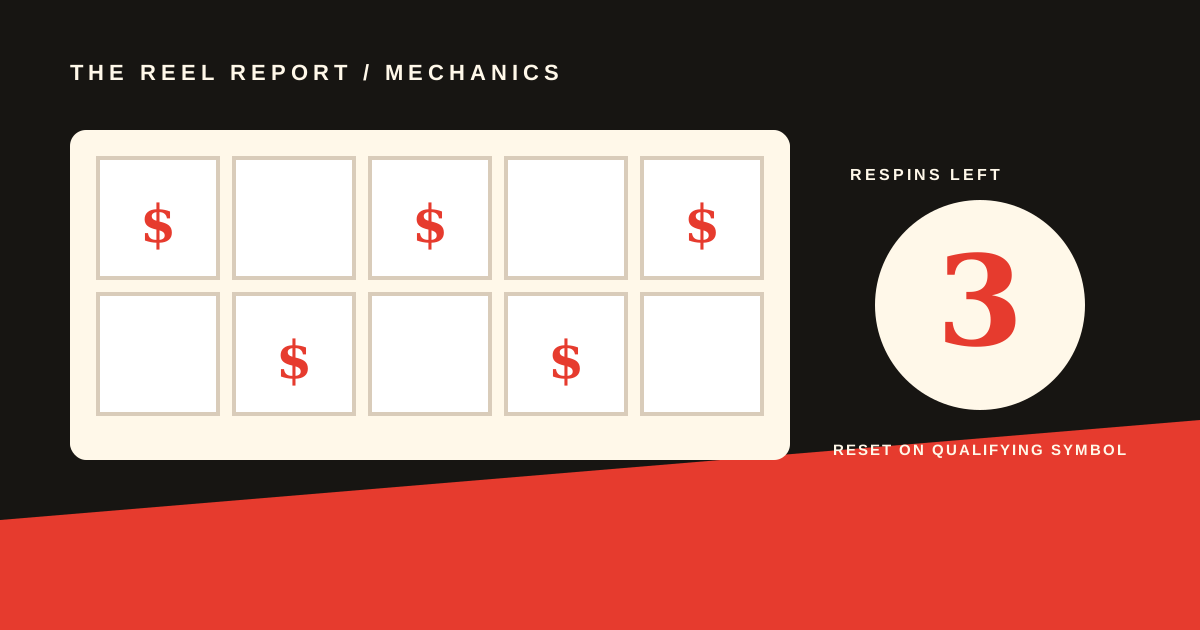
The triggering round places enough qualifying symbols to start the feature. Those symbols normally remain locked while every open position respins. If a new qualifying symbol lands, it locks too and—when the rules say so—the remaining-respin counter returns to its starting value.
The feature ends when the counter reaches zero without another reset, or when every available position is filled. The award then follows the game’s stated collection rules. Some games add the visible values; others include fixed jackpots, multipliers or a separate grid-fill prize.
What the counter does not tell you
Three respins on screen does not mean three wins are due. It means the game will run up to three more attempts under the feature rules unless a qualifying event resets the count. It says nothing about the value of the next position and creates no debt that the game must repay.
That distinction matters because anticipation is part of the presentation. A nearly full grid and a counter at one can feel unusually close to a major result. Mechanically, the final open position still has to satisfy the same stated landing condition.
Read these rules before the trigger
Open the paytable and identify which symbols qualify, how many are needed, whether bet level changes symbol values, exactly what resets the counter and whether a full grid has a separate prize. Also check whether collected values are cash amounts, stake multipliers or credits.
Feature literacy can make the experience easier to understand. It cannot turn a random paid game into reliable income. Decide the spend and stopping point before starting, then keep both outside the feature loop.
PAYTABLE QUESTIONS
Questions this guide answers
Does every hold-and-win feature start with three respins?
No. Three is common, but the game rules control the starting count, reset condition and maximum grid size.
Are the respins really free?
No extra base-game stake is normally charged during the awarded feature, but access began with a paid triggering round and the feature can return less than that stake.
Sources and further reading
- What is safer gambling? — Responsible Gambling Council